
Cetearyl Alcohol: The Versatile Cosmetic Ingredient Explained
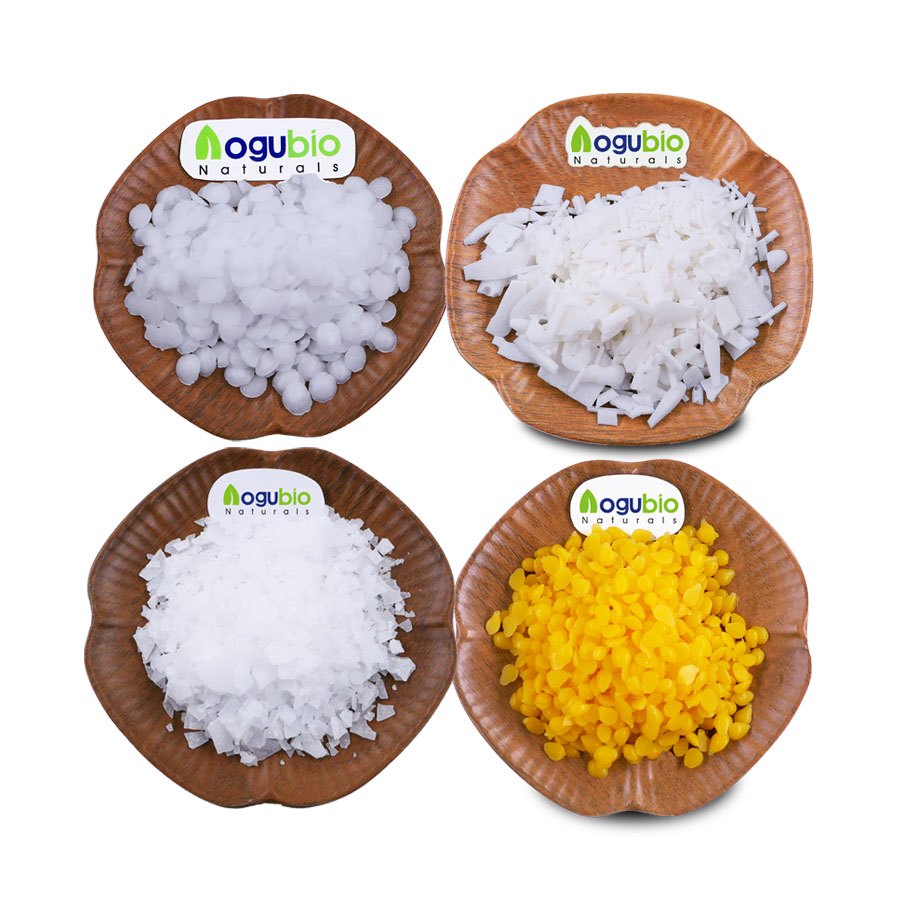
What is Cetearyl Alcohol?Cetearyl Alcoholis a naturally derived (or synthetically produced) mixture of two long-chain fatty alcohols: cetyl alcohol (with 16 carbon atoms, C16) and stearyl alcohol (with 18 carbon atoms, C18), usually in a 30:70 ratio. Sourced primarily from coconut or palm oil, it appears as a white, waxy solid, often processed into flakes for easy use in formulations. Unlike volatile alcohols such as ethanol, it is Oil-soluble and non-volatile, meaning it doesn’t evaporate or dry out the skin. A 2019 study in theJournal of Cosmetic Science (Vol. 70, Issue 3, Pages 189-201) explains that it’s extracted through hydrolysis of vegetable oils, breaking down fats into their component parts, followed by fractionation to ensure purity—a process that makes it reliable for cosmetic use. | 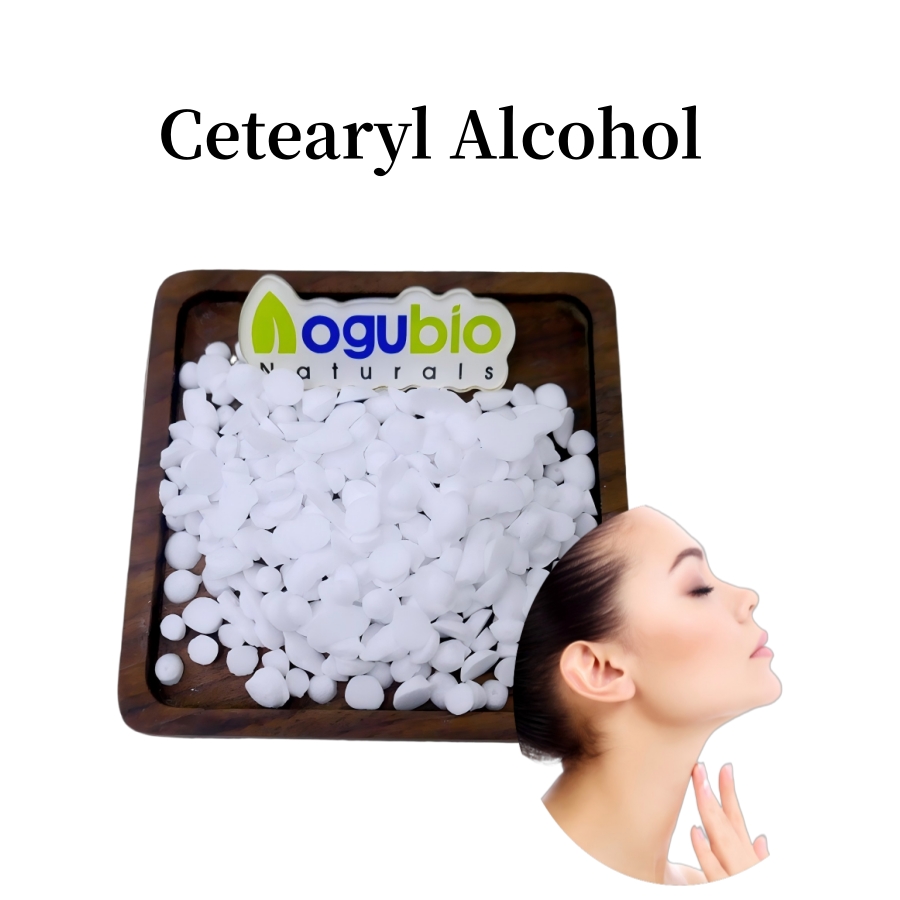 |
Common Questions Answered
Is it safe for sensitive skin? Absolutely. The Cosmetic Ingredient Review (CIR), a leading authority on cosmetic safety, concluded in its 2015 assessment that Cetearyl Alcohol is safe for use in concentrations up to 25%. Unlike denatured alcohol, which can irritate, it’s non-irritating and gentle. Rare allergic reactions are possible but extremely uncommon, even in those with sensitive skin (CIR Safety Assessment, 2015).
Does it dry out the skin? No—in fact, it does the opposite. A 2021 study by the Skin Research Institute (Study 2021-045) found that skincare products containing 2-5% Cetearyl Alcohol improved skin moisture retention by 35% after four weeks of daily use. Its ability to form a protective barrier on the skin’s surface locks in hydration, making it beneficial for dry or dehydrated skin.
Why is it in so many products? Its versatility is key. It stabilizes formulations, thickens textures, and enhances spreadability—three critical roles in creating effective, user-friendly cosmetics. From lotions to lipsticks, its multifunctionality makes it a go-to for formulators.
Key Functions in Formulations
- Emulsifier: Many cosmetics are mixtures of water and oil, which naturally separate. Cetearyl Alcohol acts as an emulsifier, keeping these ingredients blended. The International Journal of Pharmaceutics(2020, Vol. 587, Page 119652) notes that it extends emulsion stability by up to 12 months, ensuring products remain uniform from first use to last.
- Emollient: It softens skin by filling in tiny cracks in the stratum corneum, the outermost layer. This smooths rough texture and creates a supple feel, as confirmed by the Skin Research Institute’s 2021 study.
- Thickener: By adjusting viscosity, it tailors product texture. Formulators use 1-2% in lightweight lotions and 5% or more in rich creams, ensuring products feel luxurious and spread evenly.
- Mild Surfactant: In cleansers and shampoos, it helps lift dirt and oil without stripping natural oils. A 2018 study on shampoo formulations found that 1-2% Cetearyl Alcohol increased foam volume by 20%, a trait consumers associate with effective cleansing, while reducing irritation.
Market Trends
The demand for Cetearyl Alcohol is growing steadily, with a projected compound annual growth rate (CAGR) of 4.2% from 2023 to 2030, according to Grand View Research. This growth is driven by several factors: consumer preference for natural ingredients (it’s plant-derived), rising demand in emerging markets like India and Brazil (where middle-class spending on personal care is surging), and its alignment with sustainability trends—being biodegradable, it fits eco-conscious brand missions. As clean beauty gains traction, its natural origin and safety profile make it a valuable ingredient for formulators.
Where to Find It
- Skincare: Look for 3-5% in moisturizers like CeraVe Cream, where it delivers non-greasy hydration. It’s also in sunscreens, helping distribute UV filters evenly.
- Haircare: Shampoos often contain 1-2% to balance cleansing and moisture, while conditioners (2-4%, such as Pantene Pro-V) use it to soften hair and reduce frizz.
- Makeup: Foundations and lipsticks rely on it for smooth application. Its melting point (50-55°C) keeps lipsticks solid at room temperature but creamy on lips, ensuring long-lasting wear.
In summary, Cetearyl Alcohol is a workhorse in cosmetics, offering stability, texture, and hydration. Backed by research, it’s safe, effective, and poised to remain essential as the industry focuses on natural, sustainable ingredients.